
Pharmaceutical Raw Materials: Types, Applications & How to Choose a Reliable Supplier in India
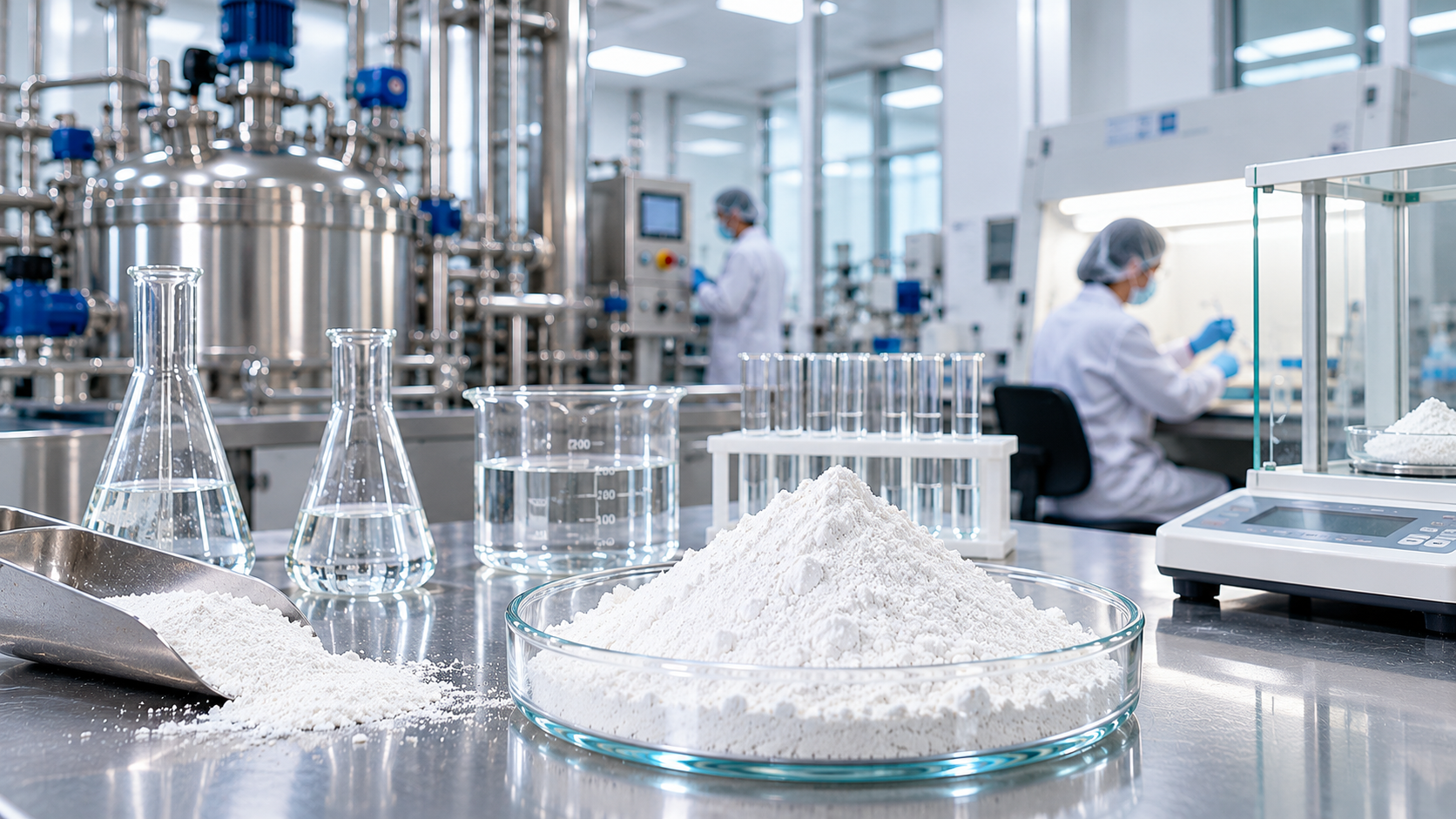
"Discover the essential types of pharmaceutical raw materials, including APIs, intermediates, excipients, and specialty chemicals. This guide explores their applications, quality standards, and key factors to consider when choosing a reliable pharmaceutical raw material supplier in India. Learn how Pharma Bridge supports businesses in sourcing pharmaceutical materials for their manufacturing needs."
The pharmaceutical industry plays a vital role in global healthcare by developing and manufacturing medicines that help prevent, manage and treat various health conditions. Behind every pharmaceutical formulation is a complex supply chain involving high-quality raw materials, active pharmaceutical ingredients (APIs), intermediates and specialized chemical compounds.
For pharmaceutical manufacturers, sourcing the right raw materials is essential for maintaining product consistency, meeting regulatory requirements and supporting efficient production.
India is a major participant in the global pharmaceutical supply chain, with a broad network of API manufacturers, chemical producers, formulation companies and raw material suppliers.
In this guide, we explore the different types of pharmaceutical raw materials, their industrial applications and the important factors businesses should consider when selecting a pharmaceutical raw materials supplier in India.
1. What Are Pharmaceutical Raw Materials?
Pharmaceutical raw materials are substances used in the development, manufacturing and processing of pharmaceutical products.
These materials may include active pharmaceutical ingredients, pharmaceutical intermediates, excipients and specialized chemical compounds.
Depending on their function, raw materials may provide therapeutic activity, support chemical synthesis or help create a stable pharmaceutical formulation.
The quality and suitability of these materials can directly influence the performance, safety and consistency of finished pharmaceutical products.
Major Categories of Pharmaceutical Raw Materials
Active Pharmaceutical Ingredients (APIs): Substances responsible for the intended pharmacological activity of a medicine.
Pharmaceutical Intermediates: Chemical compounds used during the synthesis and manufacturing of APIs.
Excipients: Inactive ingredients used to support formulation, stability, processing and drug delivery.
Specialty Pharmaceutical Chemicals: Specific compounds used in pharmaceutical research, development and industrial manufacturing.
Each category serves a different purpose within the pharmaceutical production process.
2. Understanding Active Pharmaceutical Ingredients (APIs)
Active Pharmaceutical Ingredients, commonly known as APIs, are the components of medicines that produce the intended pharmacological effect.
APIs may be manufactured through chemical synthesis, fermentation, extraction or other specialized production processes.
They are used in a wide range of pharmaceutical applications, including therapeutic areas such as oncology, cardiovascular medicine, infectious diseases and pain management.
Why API Quality Matters
API quality is critical because variations in identity, purity, potency or impurity profiles can affect the quality of the finished pharmaceutical product.
Pharmaceutical manufacturers typically evaluate API materials using parameters such as:
Identity and assay
Purity and related substances
Residual solvents
Moisture content
Particle size, where applicable
Stability and storage requirements
Compliance with applicable pharmacopoeial or customer specifications
The required tests depend on the particular API, its manufacturing process and its intended use.
3. What Are Pharmaceutical Intermediates?
Pharmaceutical intermediates are chemical compounds produced during the manufacturing process of an active pharmaceutical ingredient.
Unlike APIs, intermediates are generally intended for further chemical processing rather than direct use as the active component in a finished medicine.
They play an important role in multi-step chemical synthesis.
Applications of Pharmaceutical Intermediates
Pharmaceutical intermediates are commonly used for:
API synthesis and chemical manufacturing
Development of specialized pharmaceutical compounds
Research and process optimization
Commercial-scale pharmaceutical production
Manufacturing of complex molecules, including compounds used in oncology-related supply chains
The selection of suitable intermediates can influence manufacturing efficiency, impurity control and overall production consistency.
4. Types of Pharmaceutical Raw Materials Used in the Industry
Pharmaceutical companies work with a diverse range of chemical and naturally derived materials depending on their manufacturing requirements.
Some examples include:
Berberine HCl
Berberine Hydrochloride is a compound derived from berberine, an alkaloid found in certain plants.
It is used in research and in selected pharmaceutical and related industrial applications, depending on regulatory requirements and product specifications.
Calcium Sennoside
Calcium Sennoside is associated with sennoside-based stimulant laxative preparations.
For industrial sourcing, manufacturers should evaluate its assay, composition, applicable specifications and intended formulation requirements.
Curcumin
Curcumin is a naturally occurring compound associated with turmeric.
It is widely studied for its chemical and biological properties and is used in various research, nutraceutical and selected formulation applications.
Podophyllotoxin
Podophyllotoxin is a naturally occurring compound used in certain pharmaceutical applications and as a starting material for the synthesis of specific pharmaceutical derivatives.
Because of its pharmacological activity and handling considerations, appropriate quality controls and safety procedures are essential.
Thiocolchicoside IP
Thiocolchicoside is a pharmaceutical compound used in certain muscle-relaxant formulations.
The designation IP indicates reference to the Indian Pharmacopoeia, where applicable. Buyers should verify the specific material's compliance with the relevant current monograph and obtain supporting documentation.
Oncology APIs and Intermediates
Oncology-related APIs and intermediates are used in the development and manufacturing of medicines associated with cancer treatment.
These compounds may require specialized manufacturing controls, impurity management, occupational safety measures and strict handling procedures.
Important: The examples above represent different categories of pharmaceutical compounds. Their suitability for a particular manufacturing application depends on the intended use, regulatory status and verified material specifications.
5. Importance of Quality Control in Pharmaceutical Raw Material Sourcing
Quality control is one of the most important considerations when purchasing pharmaceutical raw materials.
Materials that do not meet defined specifications may cause production delays, quality deviations or regulatory compliance problems.
Pharmaceutical manufacturers should establish appropriate supplier qualification and material verification procedures before approving raw materials for production.
Important Quality Documents
Certificate of Analysis (COA)
A COA provides batch-specific analytical results and helps buyers compare the material against defined specifications.
Material Safety Documentation
A Safety Data Sheet (SDS) provides information about hazards, handling, storage and safety precautions.
Material Specifications
Specifications define relevant quality parameters such as assay, purity, identification and other applicable characteristics.
Regulatory and Manufacturing Documentation
Depending on the product and intended market, buyers may also require manufacturing information, GMP-related documentation, impurity data or other regulatory support.
Documentation availability should be confirmed with the supplier for each material.
6. How to Choose a Reliable Pharmaceutical Raw Materials Supplier in India
Selecting the right pharmaceutical raw material supplier involves more than comparing prices.
A reliable sourcing relationship should support consistent material quality, transparent communication and dependable supply planning.
1. Evaluate Product Quality
Review material specifications and available analytical documentation.
Ensure the proposed material meets your manufacturing and regulatory requirements.
2. Verify Supplier Credentials
Assess the supplier's business credentials, sourcing arrangements and applicable quality systems.
Where appropriate, perform supplier audits or request relevant qualification documents.
3. Check Product Availability
Confirm availability, minimum order quantities, batch sizes and estimated delivery timelines before placing an order.
4. Review Technical Documentation
Ask whether the supplier can provide relevant documents such as COAs, SDSs and product specifications.
5. Evaluate Communication and Support
Clear communication is important when discussing technical requirements, documentation, shipment arrangements and commercial terms.
6. Consider Supply Chain Reliability
Assess the supplier's ability to support recurring requirements, lead-time planning and consistent material sourcing.
7. Compare Overall Procurement Value
Price is important, but buyers should also consider quality, documentation, logistics, supply continuity and the potential cost of material rejection.
A well-qualified supplier can help pharmaceutical businesses reduce procurement uncertainty and support smoother manufacturing operations.
7. Why India Is an Important Market for Pharmaceutical Raw Materials
India has an established pharmaceutical manufacturing ecosystem that includes formulation manufacturers, API producers, chemical manufacturers, research organizations and specialized suppliers.
This ecosystem supports domestic manufacturing requirements and international pharmaceutical trade.
For B2B buyers, sourcing through Indian pharmaceutical supply networks can provide access to a broad range of products, manufacturing capabilities and technical expertise.
However, sourcing decisions should always be based on the specific material, supplier qualification, quality requirements and applicable regulatory obligations.
8. Pharmaceutical Raw Material Sourcing with Pharma Bridge
At Pharma Bridge, the focus is on connecting pharmaceutical businesses with raw material sourcing opportunities relevant to their manufacturing requirements.
Our product portfolio includes pharmaceutical raw material categories such as:
Berberine HCl
Calcium Sennoside
Curcumin
Oncology APIs
Oncology Intermediates
Podophyllotoxin
Thiocolchicoside IP
Pharmaceutical manufacturers, formulation companies and procurement professionals can explore the relevant product categories and submit inquiries based on their requirements.
When requesting a quotation, buyers should ideally provide the product name, required grade, specifications, quantity, destination and documentation requirements.
This information helps establish a clearer technical and commercial discussion.
Explore pharmaceutical raw materials and submit your business inquiry at www.pharmabridge.co.in.
Conclusion
Pharmaceutical raw materials are fundamental to the development and manufacturing of medicines.
From APIs and intermediates to specialized pharmaceutical compounds, selecting suitable materials is essential for maintaining product quality, regulatory compliance and efficient production.
For pharmaceutical manufacturers, choosing a dependable supplier requires careful consideration of material specifications, documentation, supplier qualifications and supply chain reliability.
Looking for pharmaceutical raw materials for your manufacturing requirements?
Visit Pharma Bridge to explore product categories and submit a B2B sourcing inquiry.
Have Formulation or Sourcing Requirements?
Inquire directly regarding batch pricing, regulatory dossiers (DMF, CoA, VQ), and evaluation samples.