GMP Compliance in API Manufacturing: Key Requirements, Documentation & Quality Standards
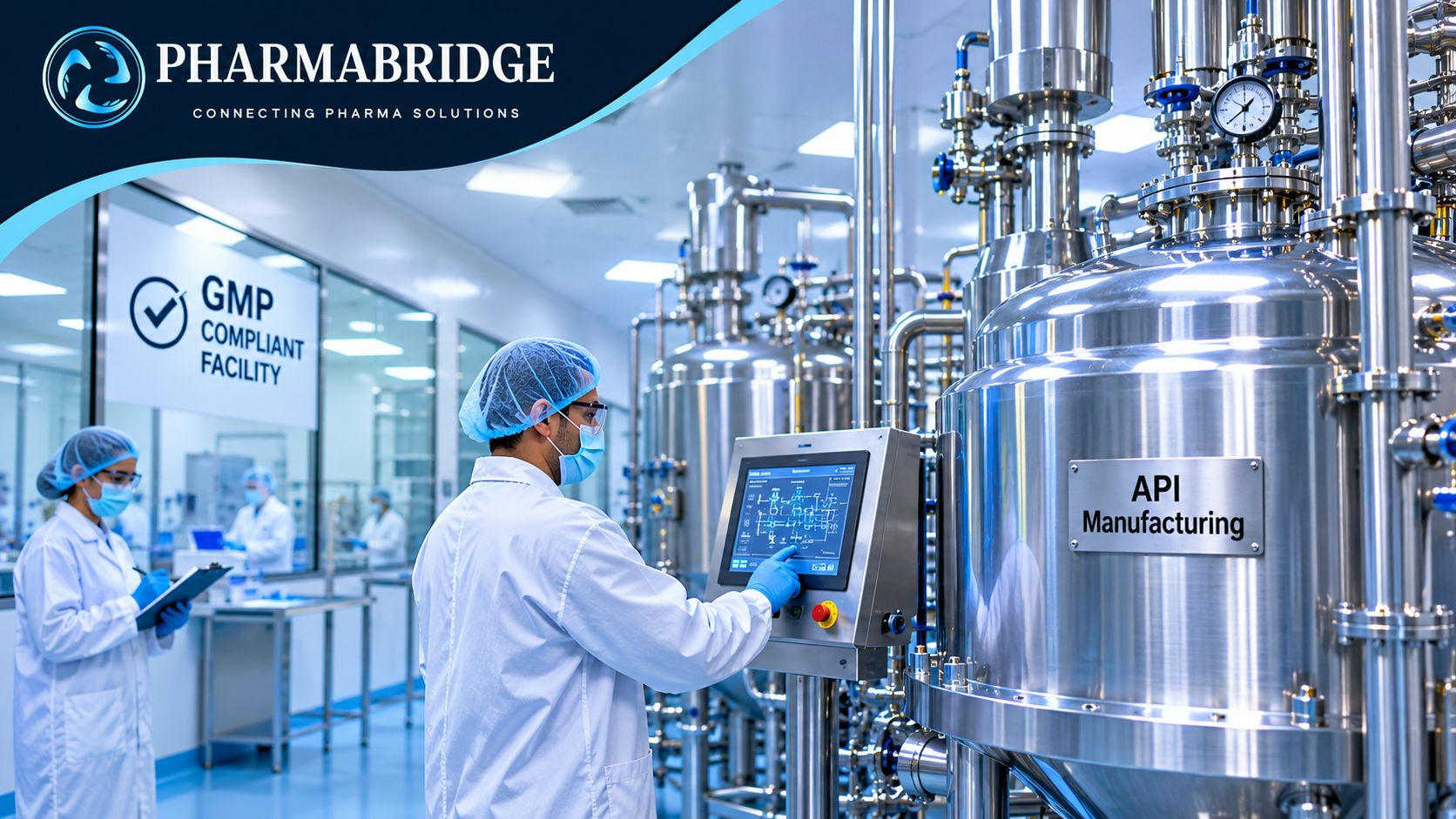
"This blog explains the importance of Good Manufacturing Practices (GMP) in API manufacturing, covering key quality requirements, manufacturing controls, documentation, process validation and regulatory standards. It also highlights how GMP compliance helps pharmaceutical manufacturers maintain product quality, ensure consistency and build reliable API supply chains."
Active Pharmaceutical Ingredients (APIs) are the essential components responsible for the therapeutic effect of medicines. Their quality, purity and consistency play a major role in pharmaceutical manufacturing. To maintain these standards, manufacturers must follow Good Manufacturing Practices (GMP), which establish guidelines for controlling production processes and ensuring product quality.
GMP compliance in API manufacturing is not limited to maintaining a clean production facility. It involves quality management, trained personnel, controlled manufacturing processes, proper documentation and regular quality checks. Understanding these requirements helps pharmaceutical manufacturers maintain consistent standards and meet applicable regulatory expectations.
1. What Is GMP in API Manufacturing?
Good Manufacturing Practices (GMP) are quality guidelines designed to ensure that pharmaceutical products are consistently manufactured and controlled according to appropriate quality standards.
For API manufacturers, GMP covers various activities, including raw material handling, production, packaging, laboratory testing, storage and distribution. The ICH Q7 guideline provides an internationally recognised framework for GMP in active pharmaceutical ingredient manufacturing.
The main objective is to prevent contamination, mix-ups, manufacturing errors and quality-related inconsistencies that could affect the safety and effectiveness of pharmaceutical products.
2. Key GMP Requirements for API Manufacturing
Maintaining GMP standards requires manufacturers to establish proper systems across different stages of production.
Quality Management System
A well-defined Quality Management System (QMS) helps manufacturers maintain control over quality-related activities. It establishes responsibilities for quality assurance (QA) and quality control (QC), defines operating procedures and ensures that manufacturing activities follow approved standards.
The quality unit should independently review important quality matters, investigate deviations and approve relevant manufacturing and testing documents.
Qualified Personnel and Training
Employees involved in API manufacturing must have appropriate education, technical knowledge and practical training. Personnel should understand their responsibilities, hygiene practices, safety procedures and contamination prevention measures.
Regular training helps ensure that employees follow approved manufacturing procedures and maintain consistent operational standards.
Facility and Equipment Control
Manufacturing facilities should be designed and maintained to minimise contamination and material mix-ups. Production areas, storage spaces and laboratory facilities should have suitable environmental and operational controls.
Equipment must be properly installed, qualified, cleaned and maintained. Regular calibration is also important to ensure that instruments provide accurate and reliable measurements during manufacturing and testing.
Raw Material and Supplier Management
The quality of APIs depends partly on the quality of the materials used during production. Manufacturers should establish procedures for evaluating suppliers, receiving materials, sampling and testing incoming materials.
Raw materials should remain appropriately identified and controlled until they are approved for use. Proper storage conditions help prevent deterioration, contamination and mix-ups.
3. Importance of Documentation in GMP Compliance
Documentation is a fundamental part of pharmaceutical manufacturing quality systems. It provides evidence that manufacturing and quality-control activities have been performed according to approved procedures.
Important GMP documentation includes:
Standard Operating Procedures (SOPs): Written instructions for routine manufacturing, cleaning, testing and other operational activities.
Batch Manufacturing Records: Details of materials, equipment, production steps, process parameters and personnel involved in a specific batch.
Certificates of Analysis (CoA): Documents reporting relevant test results and confirming whether materials meet their specified quality requirements.
Validation Reports: Records demonstrating that relevant processes, equipment or analytical methods perform as intended.
Deviation and CAPA Records: Documentation of unexpected events, investigations and Corrective and Preventive Actions.
Equipment and Calibration Records: Evidence of equipment maintenance, cleaning, qualification and calibration activities.
Accurate documentation supports traceability, internal reviews and regulatory inspections. Records should be completed at the time activities are performed and maintained according to applicable requirements.
4. Quality Control and Testing in API Manufacturing
Quality control is essential for verifying the identity, strength, purity and other relevant characteristics of pharmaceutical ingredients.
API manufacturers should establish scientifically appropriate testing procedures and specifications for raw materials, intermediates and finished APIs.
Depending on the product and its specifications, testing may include:
Identification and assay testing.
Related substances and impurity profiling.
Residual solvent analysis.
Water content determination.
Physical and chemical property testing.
Microbiological testing, where applicable.
Any out-of-specification (OOS) result should be investigated through a documented procedure. Batch release should take place only after the required quality evaluations and approvals have been completed.
5. Process Validation and Contamination Prevention
Process validation helps demonstrate that a manufacturing process can consistently produce an API meeting its established quality requirements.
Manufacturers should identify critical process parameters and quality attributes, establish suitable controls and maintain supporting validation documentation.
Cleaning procedures are equally important, particularly when manufacturing different products using shared equipment. Proper cleaning and verification help minimise cross-contamination risks.
Manufacturing processes should also include appropriate in-process controls to identify potential variations before they affect the final product.
6. Regular Audits and Continuous Improvement
GMP compliance requires ongoing monitoring rather than a one-time assessment. Internal audits help identify gaps in manufacturing practices, documentation, equipment maintenance and quality systems.
When issues are identified, manufacturers should investigate their causes and implement suitable corrective and preventive actions. Regular product quality reviews also help assess manufacturing consistency and identify opportunities for improvement.
These activities support a stronger quality culture and help manufacturers maintain their compliance systems over time.
7. Why GMP Compliance Matters When Choosing an API Supplier
For pharmaceutical companies sourcing active ingredients, supplier evaluation is an important part of quality assurance.
Before selecting an API supplier, buyers should consider relevant manufacturing quality systems, applicable regulatory approvals, product specifications, Certificates of Analysis, traceability and available audit information.
A supplier's documentation and quality practices provide useful information about its manufacturing controls. However, buyers should independently verify relevant certifications and regulatory status rather than relying only on marketing claims.
Choosing suppliers with appropriate quality systems can support consistent sourcing, reduce quality-related risks and strengthen pharmaceutical supply chain management.
Conclusion
GMP compliance plays an essential role in maintaining quality, purity and consistency throughout API manufacturing. From supplier qualification and raw material handling to production controls, laboratory testing and documentation, every stage requires appropriate quality management.
By following applicable GMP requirements and maintaining effective quality systems, API manufacturers can support reliable production and meet relevant regulatory expectations. For pharmaceutical businesses, understanding these standards also helps make more informed decisions when evaluating API manufacturing partners and sourcing requirements.
Have Formulation or Sourcing Requirements?
Inquire directly regarding batch pricing, regulatory dossiers (DMF, CoA, VQ), and evaluation samples.